

Composite Materials Supplier in Liverpool: Your Guide to Decking, Fencing, and Cladding Solutions
By Colin Potts, Composite2Go
Composite materials offer a blend of durability, aesthetic appeal, and sustainability, making them an ideal choice for outdoor applications. This guide delves into the various composite products available in Liverpool, including decking, fencing, and cladding solutions. Readers will learn about the attributes of these materials, their benefits, and why they are increasingly favoured in construction and renovation projects. As homeowners seek robust, low-maintenance options, understanding the value of composite materials can lead to better decision-making for outdoor spaces. This article will cover the types of composite products, the best choices for decking, the benefits and aesthetics of fencing, as well as the important aspects of composite cladding.
Composite Decking
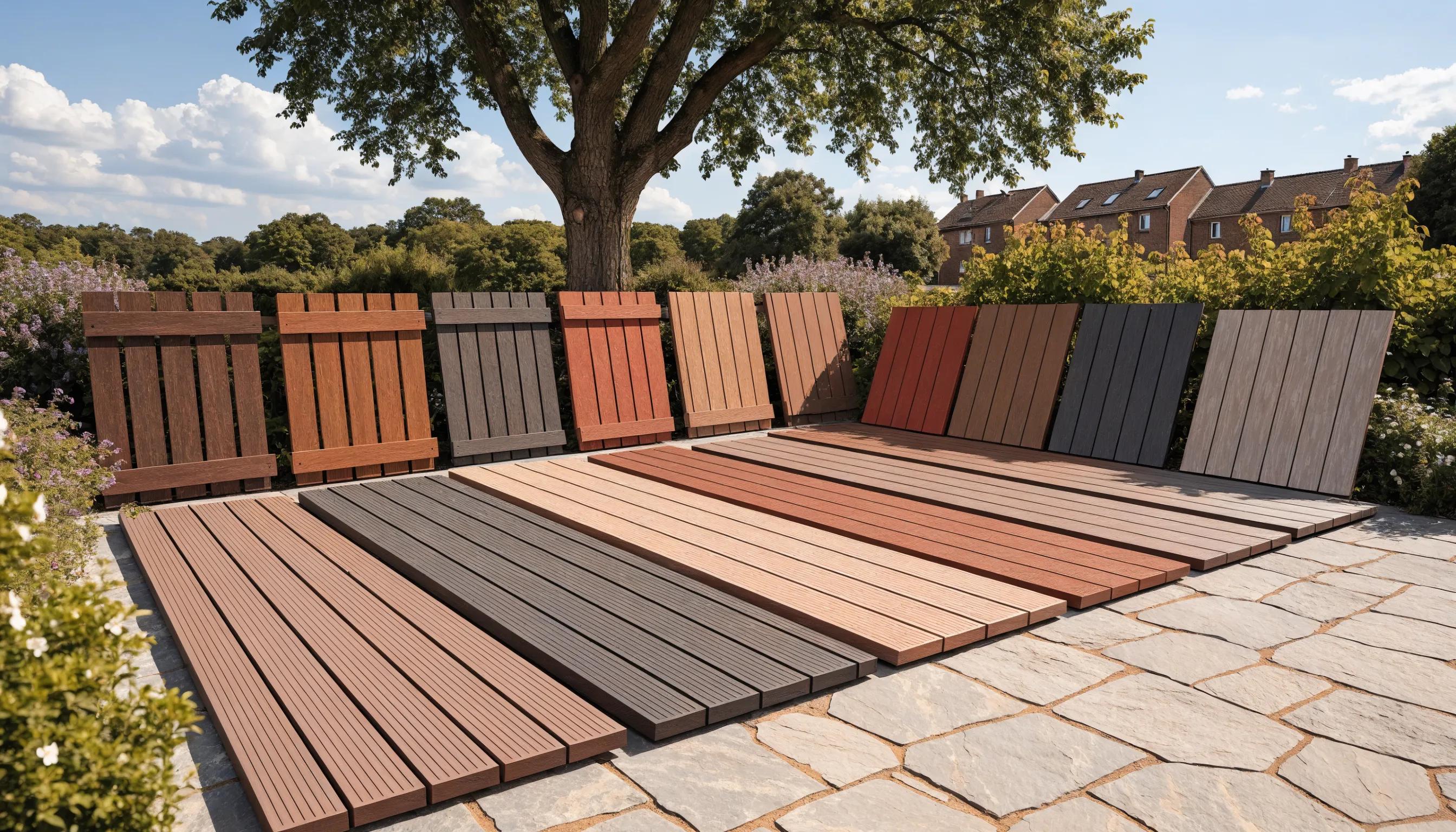
Composite decking is engineered to provide the look and feel of natural wood while offering enhanced resilience and lower maintenance requirements. This type of decking combines recycled wood fibres and plastics, resulting in a product that resists fading, staining, and mold. Its unique blend of materials ensures durability, making it suitable for a variety of outdoor applications, from patios to poolsides. Additionally, composite decking material typically comes in an array of colours and textures, allowing homeowners to customise their outdoor areas while enjoying the long-lasting benefits of composite material.
What types of composite products can you find in Liverpool?
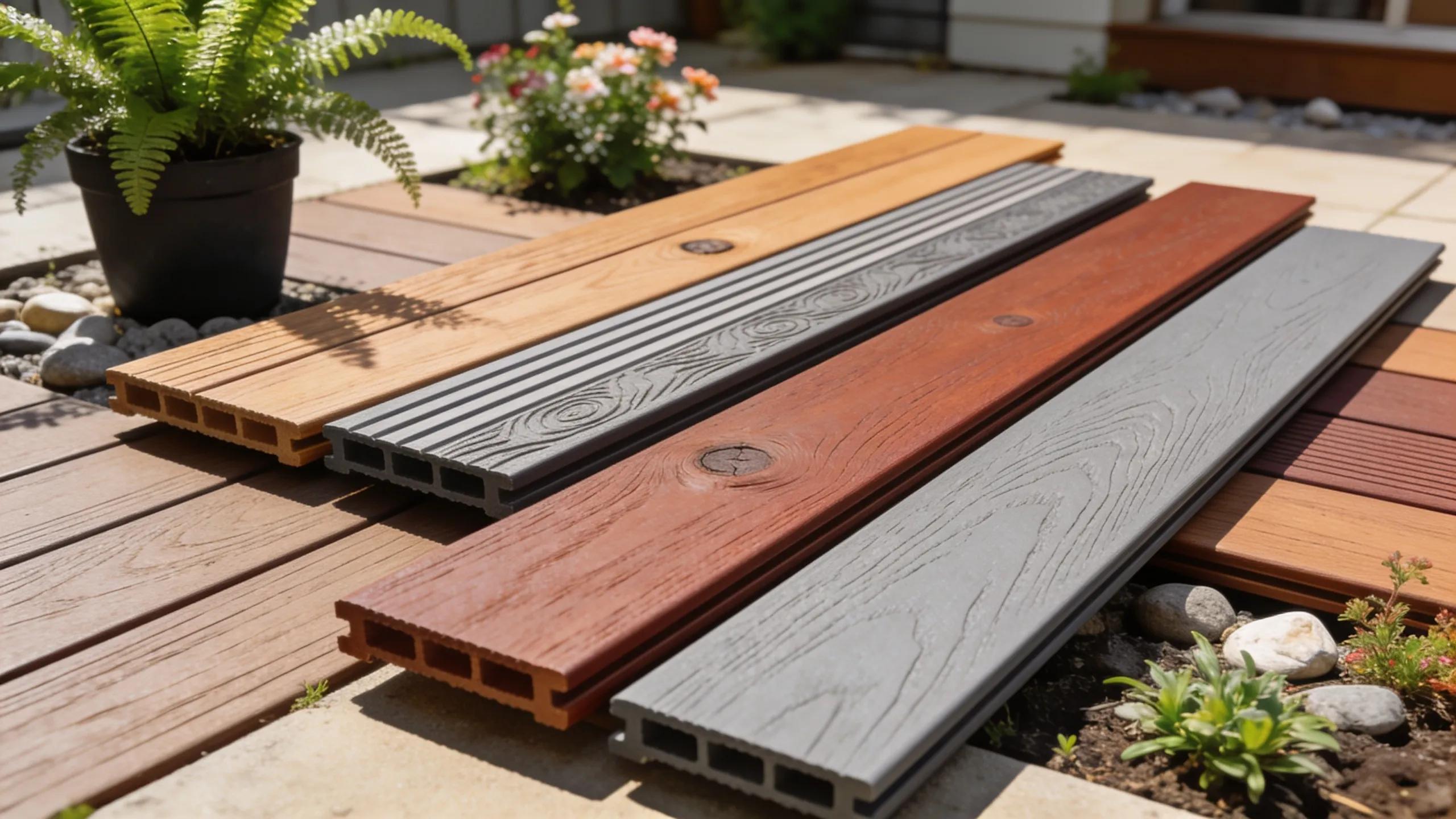
In Liverpool, several options for composite decking exist, including various board styles and finishes. Some popular types include:
- Wood-like Composite Boards: Mimic the appearance of traditional wood while eliminating common issues related to splintering and decay.
- Grooved or Solid Edges: Options for board design, allowing for hidden fasteners or traditional installation methods.
- Textured Finishes: Provide slip resistance and an authentic wood feel underfoot.
Which composite decking options are best for your outdoor space?
When selecting composite decking, consider features like fade resistance, ease of installation, and warranty options. For instance:
- Durability: Look for boards with higher percentages of recycled materials, as these tend to withstand wear and tear better.
- Maintenance: Choose low-maintenance options that require only occasional cleaning with soap and water.
- Aesthetics: Select colours that complement your home’s architecture and landscape for an attractive outdoor appeal.
For more information on high-quality composite decking, Composite2Go operates as a supplier offering a focused product range aligned with composite materials in Liverpool.
Composite Fencing
Composite fencing serves both functional and aesthetic roles in a property. Made from a combination of wood fibres and recycled plastics, these panels are designed to resist moisture, UV damage, and pests. Unlike traditional wood, composite fencing will not warp, rot, or need painting, making it a more durable choice for perimeter demarcation. The versatility of design allows for various styles, from contemporary to traditional, enhancing the overall curb appeal of a residence.
How do composite fencing materials enhance durability and style?
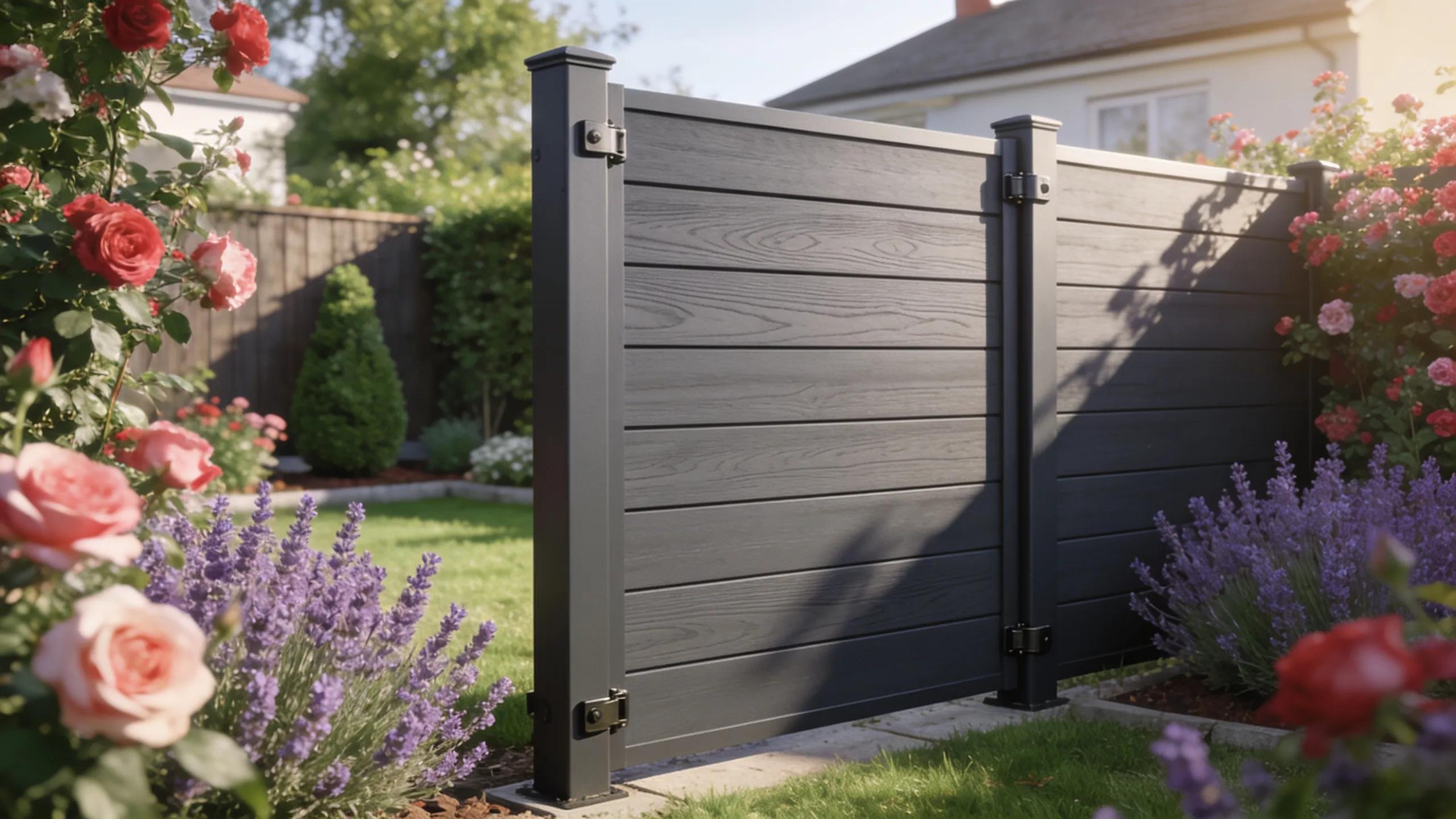
Composite fencing materials offer significant advantages over conventional wood, such as:
- Long Lifespan: Resists elements that typically decay wood fences, allowing for many years of use without repairs.
- Variety of Styles: Available in numerous designs and colours, making it adaptable to any home’s design aesthetic.
- Environmental Benefits: Often made from recycled materials, providing a greener choice for conscientious homeowners.
What should you know about composite cladding panels?
Composite cladding panels are another vital application of composite materials. They are designed to enhance the exterior of buildings while providing insulation and improving energy efficiency.
- Installation Ease: Lightweight nature of cladding panels aids in simpler installation, often requiring fewer structural reinforcements.
- Aesthetic Variety: Available in diverse colours and finishes, they can be utilized to create visually appealing façades.
- Durable Performance: Much like composite fencing, cladding resists weather damage and requires little maintenance compared to traditional siding materials.
Utilizing composite materials for decking, fencing, and cladding offers numerous benefits, including durability, aesthetic versatility, and environmental sustainability. Homeowners in Liverpool can take advantage of these innovations while cultivating outdoor spaces that require minimal upkeep. When considering home improvement projects, selecting quality composite materials can result in long-term satisfaction and enhanced property value. As the trend toward sustainable building practices continues, the demand for composite solutions will likely grow, making it an excellent time to invest in these materials for your home.
Why choose composite materials from Liverpool suppliers?
Choosing a local supplier like Composite2Go ensures access to high-quality composite materials tailored to specific construction needs, along with expert guidance during selection. Competing suppliers may not always offer the same level of customer service or specialized product knowledge that a focused supplier can provide, especially regarding composite materials tailored for the Liverpool region.
What maintenance tips keep your composite materials looking great year-round?
Maintaining your composite materials involves simple practices:
- Regular Cleaning: Use a mild soap solution and a soft brush to keep surfaces clean.
- Inspect Annually: Check for any signs of damage or wear, particularly in deck and fence fittings.
- Repair Promptly: Address scratches or dings as they occur to prevent further damage.
By following these tips, homeowners can maximise the longevity and aesthetic appeal of their composite materials.
How easy is it to clean and maintain composite decking and fencing?
Cleaning and maintaining composite materials is straightforward due to their non-porous surfaces. Most dirt and grime can be readily removed with standard household cleaners, reducing the time and effort typically required for maintenance. Unlike wood, which may absorb moisture and require treatment, composites resist stains and are generally designed for hassle-free upkeep.
What common issues should you watch for with composite cladding?
While composite cladding is built for durability, issues to monitor include:
- Surface Scratches: Though minor, these can affect aesthetics; prompt touch-ups maintain appearance.
- Colour Fading: Over time, exposure to UV light may cause colours to dull; selection of high-quality materials minimises this risk.
- Structural Integrity: Ensure that panels are installed correctly to avoid issues associated with poor installation practices.
Overall, composite materials represent a fantastic investment for homeowners seeking style, durability, and the ease of maintenance in their outdoor spaces. With proper care, these solutions can last for many years, delivering satisfaction and aesthetic value to every property.
What are the latest trends and innovations in composite materials for Liverpool homes?
The composite materials market is continually evolving, incorporating the latest technology and design trends to improve aesthetics and performance. Innovations such as wood-plastic composites with enhanced colour retention, biodegradable additives, and improved manufacturing processes for better durability are shaping the future of composite applications in home construction.
How is the composite decking market evolving from 2024 to 2026?
The composite decking market is expected to see substantial growth driven by increasing consumer preferences for high-performance building materials. The evolution involves innovations in aesthetics with more natural wood-like appearances, functional enhancements, and sustainable practices emphasising recycled and eco-friendly components. As integration of technology in material science continues, homeowners can anticipate more advanced options that offer durability and maintain aesthetic appeal while being environmentally responsible.
Wood-Plastic Composites: Decking, Durability, and Applications The most abundant profiles made from wood–plastic composites are boards or lumber used in outdoor decking applications. Although early WPC products were mainly extruded for profiled sections, nowadays, many injected parts made of WPC are being introduced for various industries, including electrical casings, packaging, daily living supplies, and civil engineering applications. Mold and mildew and colour fading of WPCs tend to be the durability issues of prime importance for WPCs. Most recent research on WPC durability focuses on studies to better understand the mechanisms contributing to various degradation issues as well as methods to improve durability. Wood–plastic composite technology, DJ Gardner, 2015
What new sustainable and durable composite solutions are emerging?
Emerging products in the composite materials domain include composites that utilize renewable resources and incorporate advanced treatment technologies to enhance resistance to weathering and pests. Innovations also guide the production of composites from recycled plastics and wood, illustrating a commitment to sustainable practices, appealing to environmentally conscious consumers.


